After School With Kids


The after-school window can be one of the hardest parts of the day. Kids walk in the door carrying everything — their emotions, their effort, the moments they couldn’t express, the self-control they spent all day holding. Before we ask them to talk, follow directions, or jump into homework, their bodies and brains need time to reset.
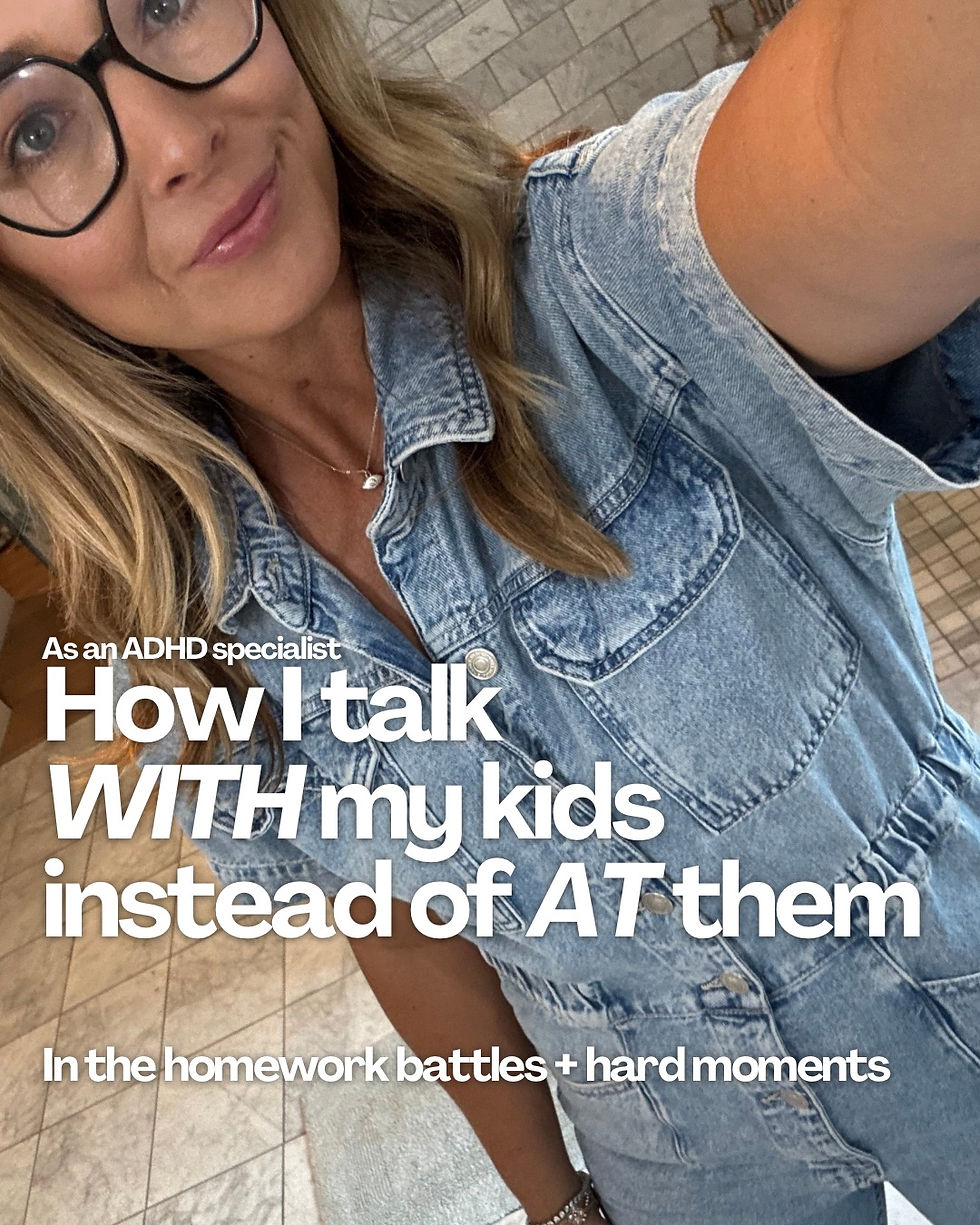
Here are 5 simple steps to ease that transition and support connection, cooperation, and calm.
1. Start with the “Re-Entry Hug”
A quiet, steady hug or gentle hand on the shoulder helps regulate the nervous system.
No questions. No talking. Just presence.
Say:
“I’m so glad you’re home.”
This works because co-regulation calms the body before the brain can engage.
2. Snack + Silence or Soft Music
Offer a healthy snack and keep stimulation low:
No questions yet
No homework talk
No screens
This signals home is safe and gives their system time to decompress — and yours, too.
3. Low-Demand Connection
Spend 5 minutes doing something simple and shared:
Walk to the mailbox
Play one quick round of a card game
Shoot a few baskets
Watch a funny video together
Kids regulate best through play and movement, not conversation.
4. The One-Question Check-In
Instead of peppering them with questions, choose one meaningful prompt:
“What made you laugh today?”
“What was the hardest part?”
“Who did you sit with at lunch?”
“What are you proud of today?”
This invites sharing without pressure.
5. Set the Plan for the Evening
Once they’re regulated, then introduce structure.
Say:
“Here’s our plan. First homework, then play. Let’s choose where to start and how long for each.”
Kids cooperate more when they feel prepared and included in the plan.
What to Avoid Right After School
Asking too many questions
Correcting behaviors immediately
Jumping straight into homework
Their brain needs a moment to reset before it can respond.
Why This Matters
When we support regulation first, everything else goes more smoothly:
homework, chores, sibling dynamics, dinner time, and emotional expression.
Connection isn’t extra — it is the pathway to cooperation, confidence, and learning.


Comments